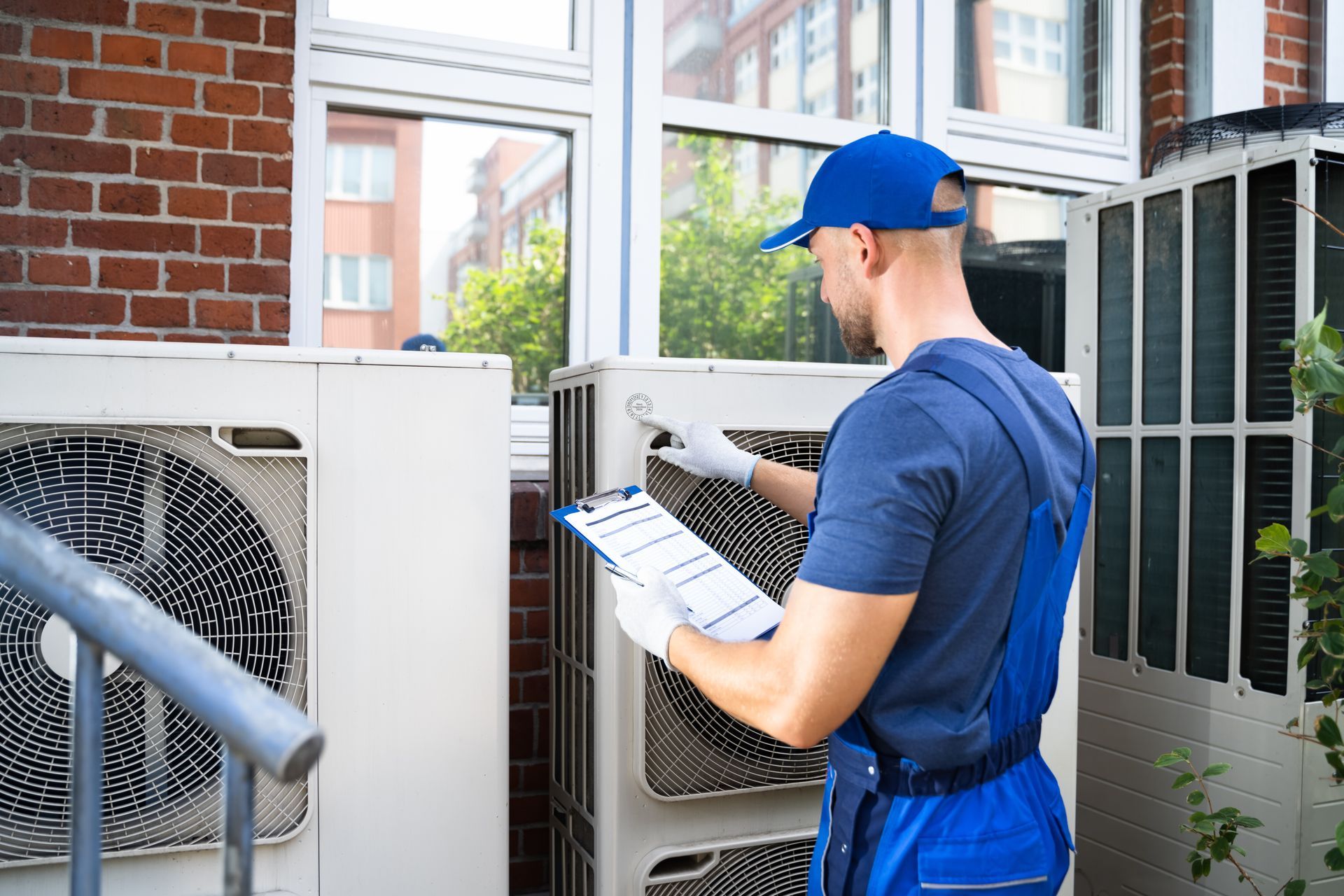

Your West Jordan property deserves HVAC equipment engineered for the city's rapid growth and valley floor climate. As one of Utah's fastest-growing communities, West Jordan features everything from established neighborhoods built in the 1970s to new master-planned developments with modern building codes. You face summer temperatures regularly hitting 98°F, winter lows dropping to 15°F, and air quality challenges during inversion events that demand superior filtration and ventilation strategies.
cool cats HVAC delivers professional installation of complete heating and cooling systems with proper sizing and energy efficiency optimization. The team serves residential and commercial properties across West Jordan, from historic homes near Gardner Village to new construction along the Mountain View Corridor. Every installation addresses your building's thermal envelope, occupancy patterns, and the valley's unique climate factors that affect system performance and longevity.
Federal energy data shows that HVAC systems account for 48% of residential energy use in Utah, making proper installation critical for controlling monthly expenses. You avoid the inefficiency, comfort problems, and premature failures that plague systems installed by contractors who skip load calculations and use outdated sizing methods.
West Jordan's Climate Demands Precision
West Jordan's location in the southwest Salt Lake Valley creates specific installation challenges. The city experiences urban heat island effects near commercial corridors, while residential neighborhoods near the Oquirrh Mountains receive afternoon shade that reduces cooling loads. Winter inversions settle here with particular intensity, trapping cold air and pollutants that stress both heating systems and indoor air quality components.
Both residential and commercial installations require careful attention to equipment placement, ductwork sealing, and airflow balancing. The installation process includes verifying proper refrigerant charge at valley elevation, testing static pressure across all duct runs, and programming thermostats to maximize efficiency during Rocky Mountain Power's peak rate periods. Properly sealed ductwork alone recovers 25–35% of lost heating and cooling capacity in existing homes, while new installations benefit from duct design that minimizes friction losses and temperature drops.
Performance testing reveals correctly installed systems in West Jordan deliver 40% lower operating costs than baseline installations over equipment lifespan. Whether upgrading from builder-grade equipment or installing HVAC in a converted garage space, the team ensures every component works together to deliver consistent comfort and efficiency. Contact us today for HVAC Installation in West Jordan and schedule your free consultation with technicians who prioritize accurate sizing, quality workmanship, and transparent communication throughout the installation process.
Every installation combines advanced technical skills with customer-focused service, ensuring your system delivers promised performance from day one and for decades to come.
- Manual J load calculations tailored to West Jordan's valley floor conditions and temperature extremes
- Variable-capacity equipment options that adjust output in real time and reduce energy waste by 50%
- Whole-home air quality systems including HEPA filtration and UV purification for healthier indoor environments
- Zoning capabilities perfect for West Jordan's popular split-level and rambler floor plans
- Flexible financing and utility rebate processing that makes high-efficiency equipment affordable today
Industry research confirms that properly installed HVAC systems maintain 92% of rated efficiency after 12 years, while poorly installed systems drop below 60% efficiency within five years. The difference translates directly to your monthly energy bills, repair frequency, and eventual replacement costs. Contact us today for HVAC Installation in West Jordan and experience the reliability, efficiency, and comfort that come from working with certified professionals who understand building science, local climate patterns, and the installation precision required for optimal long-term performance.